Patisserie Pearl | Shopify migration case study from BASE for a confectionery EC
 1mm 開発部

- Industry
- Food and drink
- Request Type
- New
- Build Type
- Template
- Estimated Cost
- Approx. ¥800,000
Patisserie Pearl, a confectionery shop based in Tokushima and Tokyo's Jiyugaoka known for its "lemon cake that sells one every six seconds," decided to migrate from BASE to Shopify as sales fees (6.6% + ¥40 per transaction) and operational efficiency with a small team became ongoing challenges.
After migration, we customized the cart to display "X more yen until free shipping" to encourage additional purchases, automated a three-stage step email sequence using Shopify's official Flow and Messaging apps at no extra app cost, and implemented a Klaviyo repurchase flow to re-engage customers who have not returned after a set period.
Design customization was kept to a minimum, and the budget freed up was directed toward operational efficiency. The result is an EC operation built to run well with a small team — combining fee reduction and workflow automation.
We asked them to renew our store from BASE. They proposed a system that lets us publish the content we had been sharing on Instagram as site content as well, and they have supported us broadly, from product planning to image creation.
Moving to a platform that scales EC operations without adding headcount or cost
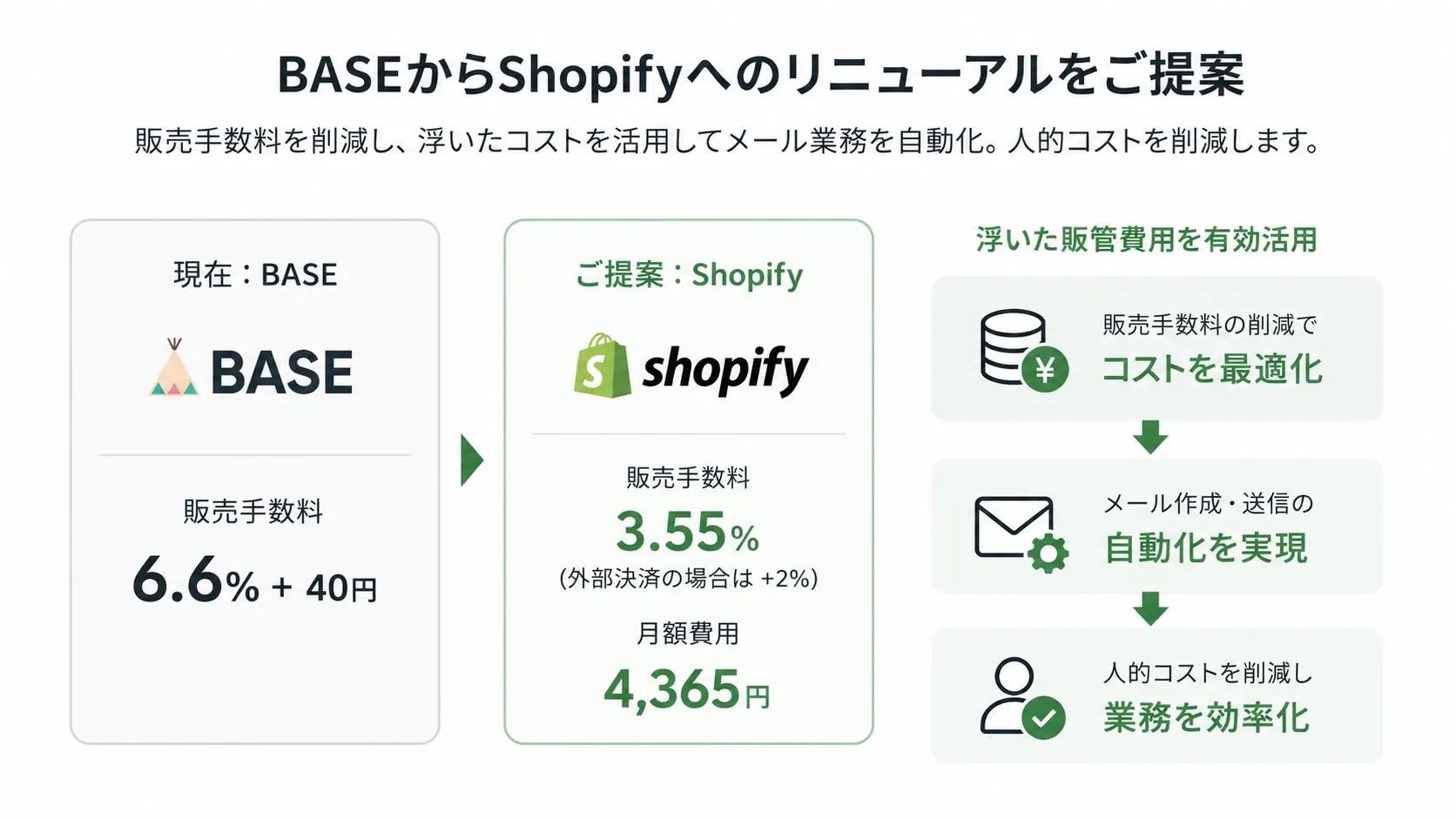
We proposed Shopify as a way to reduce operating costs and automate labor-intensive tasks using official apps.
Customization was kept to a minimum, and the budget freed up was directed toward operational efficiency measures. Prices reflect 2026 rates.
Building a nudge to encourage "just one more item"
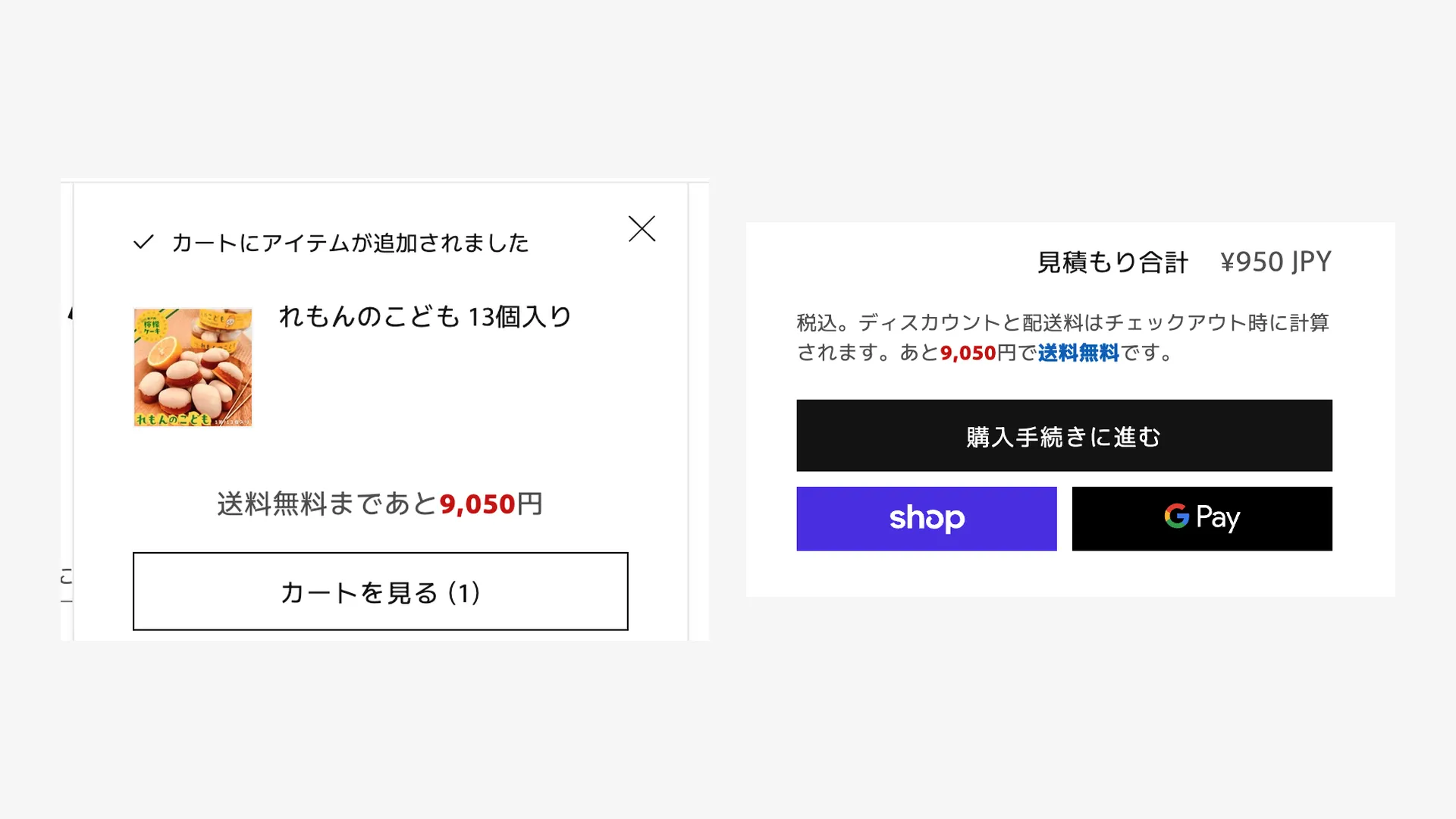
We customized the cart to display "X more yen until free shipping." Combined with a ¥10,000 free-shipping threshold, this creates a natural prompt that encourages shoppers to consider adding another item.
Keeping the brand connection alive post-purchase — without paid apps
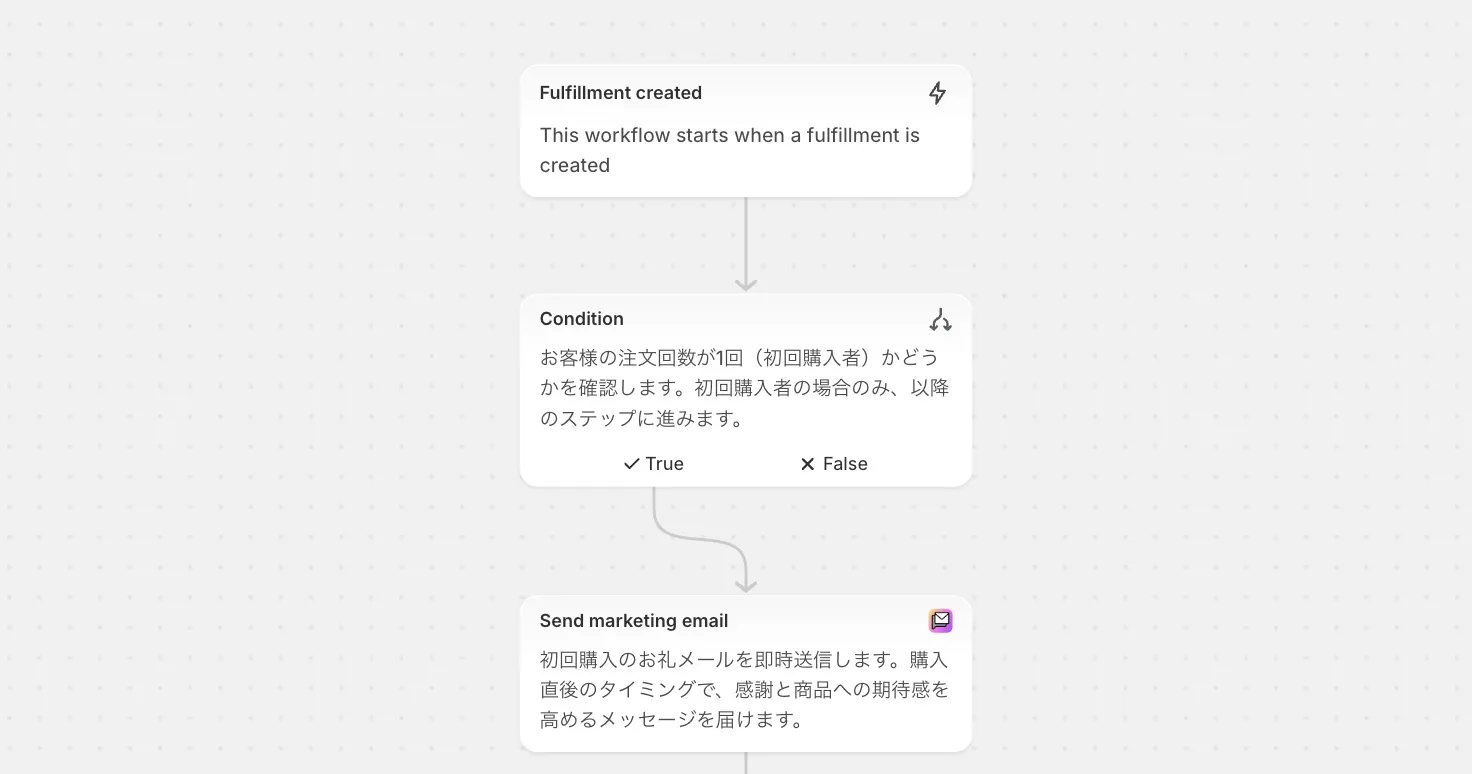
Using Shopify's official Flow and Messaging apps, we automated a three-stage step email sequence triggered by the purchase date.
No paid apps were used, so there are no additional running costs.
- Stage 1: An email sent right after shipping, sharing how to enjoy the lemon cake and the best time to eat it
- Stage 2: A follow-up email timed for around when customers finish eating
- Stage 3: An email introducing other products and a note of thanks
For food EC, emails that arrive at natural moments — "just received" and "just finished" — feel helpful rather than pushy.
Building LTV without ad spend
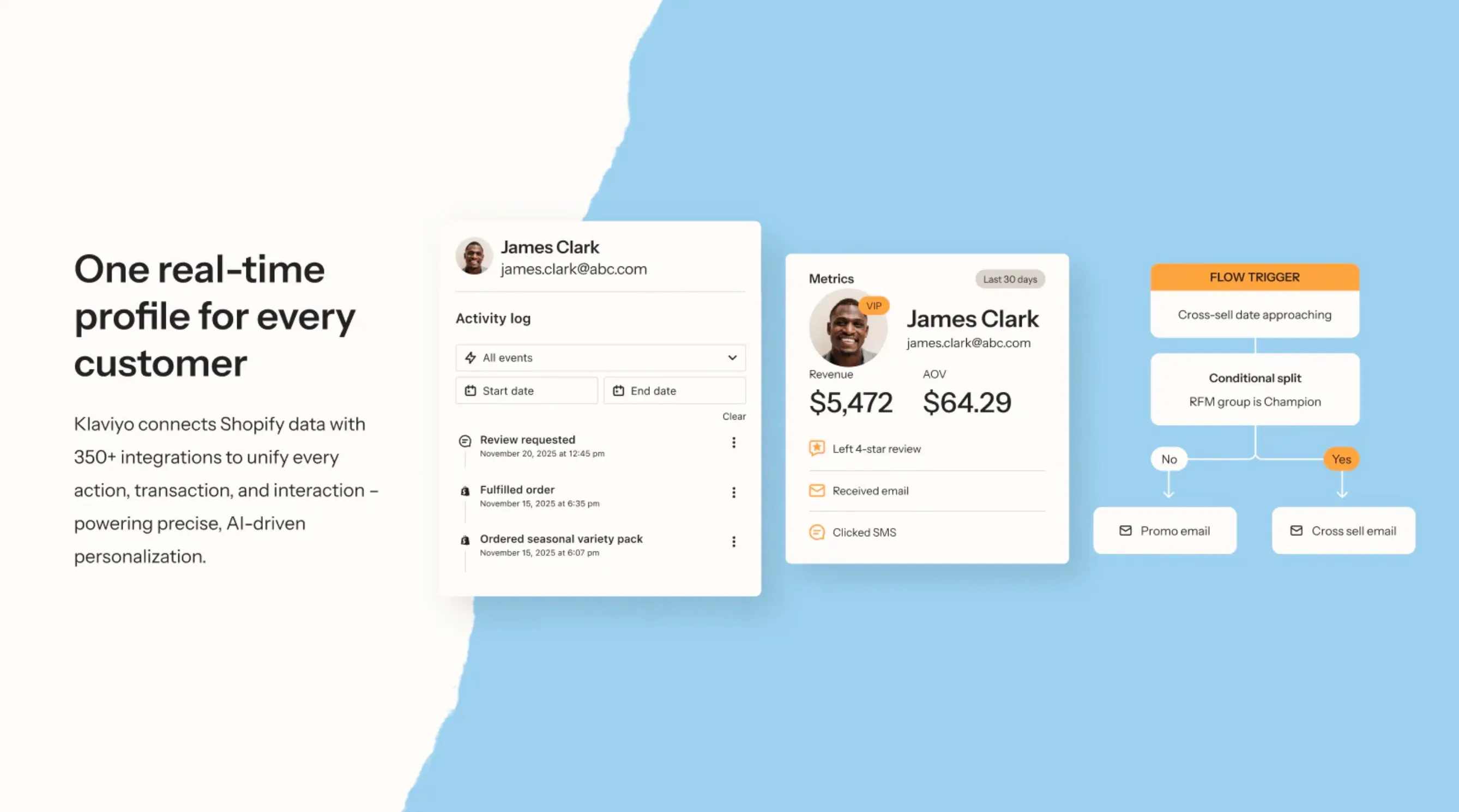
While the step emails above handle early follow-up triggered by product dispatch, we separately designed and implemented a Klaviyo repurchase flow to re-engage customers who have not returned after a set period.
It is generally accepted that the cost of reaching existing customers is 1/5 to 1/10 that of acquiring new ones.
Customers who have already purchased once trust the product and convert back at higher rates — making this an effective way to build LTV without ad spend.
In Klaviyo, we define the "churn date" — the point at which a customer has moved past their next likely purchase window and is at risk of drifting to another brand — and configure the system to send an email automatically when that date arrives.
By designing the churn date based on product category and purchase cycle, emails arrive at a natural moment rather than feeling forced.
Reducing the cost of new product registration and image creation
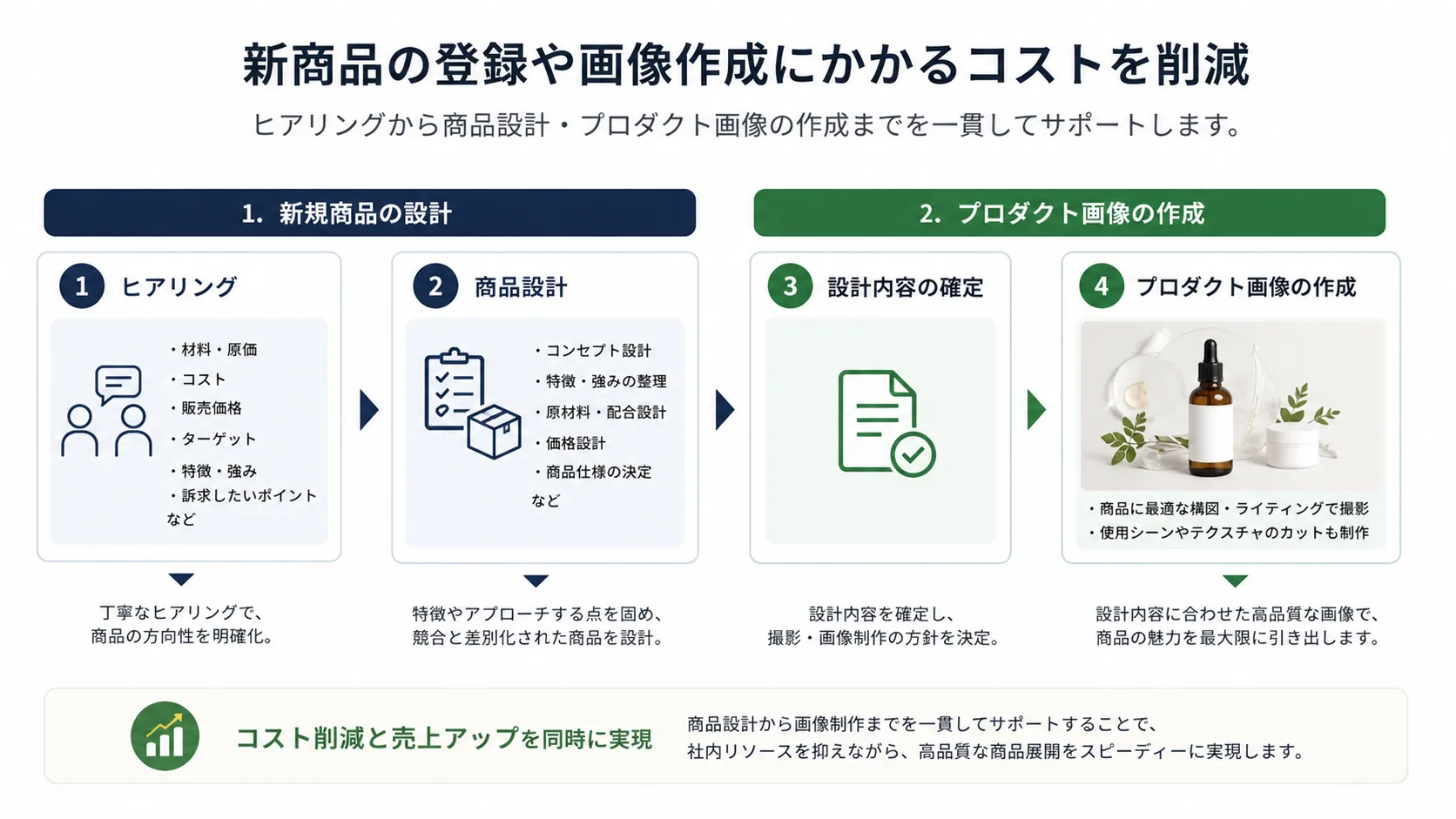
Product design — starting from information architecture that sells
We review materials, costs, and pricing, identify each product's features and selling points, then design new product listings.
On an EC site, the same product can see dramatically different search traffic and conversion rates depending on how the title is structured, how the description is organized, and where keywords are placed.
We handle everything end to end — from SEO- and GEO-informed keyword selection, through title and description design, to uploading into Shopify. Product information designed this way can also be repurposed for other marketplaces like Amazon and Rakuten.
Product image creation — design that sells, not just looks good
Once the design is finalized, we handle product image creation to match.
For EC product imagery, it is important to design with a clear role split: the main image (driving clicks) and sub-images (supporting the purchase decision).
Building on our track record of A/B testing product images on Amazon and other marketplaces, we design creatives anchored in the target customer's buying motivations and the concerns they need to have resolved.
1mm 開発部
1mm's Shopify development group. Drawing on hands-on experience building and renewing e-commerce sites with Shopify (Liquid), the team publishes practical information on costs, work cases, and operational know-how. All articles are produced under the supervision of the technical lead.
1mm 真鍋
Specializes in building e-commerce sites with Shopify (Liquid), with hands-on development experience spanning Next.js, React, and TypeScript (this site's stack), Python (Django), WordPress (PHP), and HTML/CSS — across both front end and back end. Draws on this implementation expertise to supervise Shopify development articles and work cases as the technical lead.
FAQ
In this case, the main pain points were the sales fee burden (6.6% + ¥40 per transaction on BASE) and operational efficiency with a small team. We proposed Shopify as a way to reduce fees while automating time-consuming tasks using official apps.